












23/10/2026
If you are planning a clear-out in West Hampstead, the paperwork can feel more annoying than the...
Waste Disposal West Hampstead provides waste disposal in West Hampstead for homes, flats, offices and trade premises that need clutter, rubbish or bulky items removed in a planned, lawful way. The service covers general waste collection, furniture removal, appliance disposal and fuller clearance work, with options that can be matched to the type and volume of material involved. If you are dealing with a one-off load or an ongoing need, the aim is to make the process straightforward and tidy.
We focus on practical removal work rather than guesswork, so the right collection can be arranged around the items, access and finish required. From single bulky items to mixed loads, the service is designed to handle the most common disposal jobs without forcing customers into a one-size-fits-all approach. For a broader view of what is available, our services overview gives a useful starting point before you decide how much support you need.
Some jobs are best handled as a simple pickup, while others need sorting, loading and careful separation of reusable or recyclable material. That is why the service includes both lighter collection work and more involved clearance tasks. If you already know the kind of items involved, you can also compare the likely scope against our prices information before you request a quotation.
Domestic waste collection is often the most convenient option when bags, packaging, broken household goods or general clutter have started to build up. In a place with a mix of mansion blocks, converted flats and terraced homes, access and carrying distance can matter just as much as the waste itself. A sensible collection plan considers what is being removed, where it is stored and how it can be moved without causing avoidable disruption inside the property.
For many households, the most useful service is a combination of item removal and sweeping up once the load has gone. That is especially relevant where a room, hallway or storage area has become difficult to use. If you need the work framed around a particular type of load, rubbish collection in West Hampstead is a clear option for mixed waste and general household clearance, while more specific item categories can be separated into dedicated services.
When preparing an enquiry, it helps to note the main materials involved, any awkward access such as stairs or narrow entrances, and whether the waste is loose, bagged or already stacked. A short written summary is usually enough to start, and photographs can help describe bulky or mixed items accurately. The same basic details also make it easier to judge whether a straightforward collection or a fuller clearance is the better fit. Clear descriptions save time and help keep the quotation relevant.
Bulky items need a disposal plan that suits their size and material. Sofas, wardrobes, tables, mattresses and similar pieces usually take more care than bagged rubbish because they need carrying space and sensible loading. If an item is reusable but no longer wanted, removal still needs to be handled in a way that is orderly and compliant. For those jobs, furniture removal offers a direct route for clearing larger household items without turning the work into a full property clearance.
Appliances also require attention to type and condition. White goods such as fridges, freezers, washing machines and ovens may involve weight, awkward size and, in some cases, special handling considerations. That is why a dedicated appliance disposal service is often more suitable than a general collection when the load is dominated by kitchen or laundry equipment. The benefit is a cleaner match between the job and the vehicle space required.
For mixed loads, it is often sensible to group items by room or by material category before asking for a quote. That makes it easier to separate what is going, what is staying and what may need disassembly. If you are dealing with a sofa, a fridge and a handful of smaller items at the same time, a combined collection may be more efficient than booking each part separately. Matching the service to the load is usually the simplest way to avoid unnecessary back-and-forth.
Some requests call for a broader clearance rather than a one-off collection. House clearance work can cover several rooms, loft contents, stored furniture and mixed household waste, while office clearance is more suited to desks, chairs, filing, packaging and equipment from business premises. Both need a structured approach so items are removed safely and the site is left in a usable state. For those larger jobs, house clearance and office clearance are the key service pages to consider.
Clearance work often benefits from a simple plan. The most useful starting point is to identify whether the job is partial or full, what the main bulky items are, and whether any areas must be left undisturbed. Office clearances can also involve timing around building access or operational hours, while domestic clearances may need care around stairwells, shared hallways or delicate surfaces. These details help shape the scope of work before anything is loaded.
In practical terms, clearance is more than collection: it usually means reducing the burden of a space, separating what can go, and handling the removal in one coordinated visit where possible. That can be especially useful when a property is being prepared for letting, renovation or handover. If the job is more focused on stored items in the roof space, the loft clearance option may be a better fit than a general house clearance.
West Hampstead is a north-west London district in the London Borough of Camden, closely associated with the transport corridor formed by the Thameslink, Jubilee line and London Overground stations that share the name. The area sits between Kilburn, Finchley Road and Fortune Green, and its character is shaped by a mixture of residential streets, local shops and busy rail links. Much of the built environment is late Victorian and Edwardian in origin, with terraces, mansion blocks and converted houses creating a dense urban grain that is typical of inner north-west London. West End Lane functions as one of the best-known streets in the district, providing a commercial spine with cafés, small retailers and everyday services. To the east and north-east, the landscape opens toward Hampstead and the broader Camden area, while nearby Fortune Green adds a more open green-space element to the local geography. The district is also notable for the way its transport connections have influenced movement and land use over time, making it a place where residential life, commuting and neighbourhood commerce meet within a compact area. As a result, West Hampstead is often understood less as a single landmark and more as a walkable urban neighbourhood with a strong local identity, shaped by rail access, historic housing stock and the everyday activity of its main streets.
Not all waste is domestic in the usual sense. Garden waste can include branches, hedge cuttings, soil, turf, old plant material and mixed outdoor debris, while loft waste can be a combination of stored household items, packaging, worn furniture and seasonal clutter. These jobs are often easiest when treated as distinct service types, because the handling and sorting can differ. For outside material, garden waste removal is the most relevant route, while loft contents may be better dealt with through loft clearance.
Specialist item disposal can also cover pieces that are awkward because of weight, shape or material. Furniture disposal, for example, may suit items that are beyond ordinary household moving, while builders’ waste can involve rubble, timber offcuts, plasterboard and packaging from a renovation or repair. The key is to separate the load by material and condition so that the correct service is selected from the outset. Where the waste comes from a project rather than a general tidy-up, it is often worth reviewing the project-specific route first.
A concise quotation is usually easiest when the job is described by area, item type and volume. If a pile includes a mixture of garden cuttings, a dismantled wardrobe and a few bagged items, the mix matters because it affects loading and sorting. A small amount of planning before the visit can also reduce delays at the property. The best result is usually achieved by choosing the closest match rather than forcing everything into one broad category. That approach keeps the work practical and the request easier to assess.
Trade and business premises often need waste cleared without interrupting the day’s work. Builders’ waste disposal is suited to renovation, refurbishment and light construction debris, while commercial waste removal is broader and can include shop, office or premises clearances where the load is mixed. These jobs usually need clearer access arrangements and a more exact description of the material, especially if rubble, timber, packaging or broken fixtures are involved. The most relevant starting points are builders’ waste disposal and commercial waste removal.
Commercial collections benefit from straightforward coordination. If items are stored in an office, shop back room or shared commercial space, it helps to identify what can be removed immediately and what should stay in place. Material type is important too, because mixed waste can require separation between general rubbish, recyclable material and more awkward bulky items. In many cases, the goal is to clear the load cleanly while leaving the site ready for the next stage of use.
When you are planning a quote, it is sensible to mention any access restrictions, loading bay issues, lift use or building rules that affect the removal. That does not need to become a long description; a few accurate points are enough. If the job is mainly office-based, the office clearance page can help distinguish between isolated removal and a larger premises clear-out. The more closely the service matches the work, the easier it is to set expectations for the job.
Waste removal is easier to assess when the main cost factors are understood. Volume, item type, access, labour and disposal route all matter, and they can change the shape of a quotation more than people expect. Heavy or awkward materials may require more loading effort, while mixed loads can need more sorting. For a clearer breakdown, the pricing and quotes page is useful when you want to see how the service is approached commercially rather than guess at the final figure.
Compliance and safety matter too, particularly when waste is being moved from homes, communal buildings or business premises. Responsible disposal depends on lawful handling, correct transport and an awareness of what should be kept separate. The same is true for items that are sharp, heavy or unstable. If you want to read more about how the business frames these duties, waste carrier compliance and the insurance and safety page provide supporting information.
The practical part of a quotation is usually simple: identify the load, note the access, and decide whether you need disposal of a few items or a broader clearance. If payment and booking details matter to you, the site also has a dedicated payment and security page so you can review the approach before confirming anything. Prepare the facts, then ask for a quotation is often the quickest route to a clear answer.
A good disposal service does more than remove waste from sight. It also needs to think about whether items can be separated for recycling, whether reusable pieces should be treated differently and how to reduce avoidable landfill where possible. That is particularly relevant with mixed domestic waste, old furniture, metals, cardboard, appliances and garden materials. The business’s recycling and sustainability page is the place to review those principles in more detail.
In practice, recycling and disposal decisions are usually made around the materials presented at collection. A load with clean cardboard, timber, metal and general rubbish does not all behave the same way once it leaves the property. Separating those elements early can improve the chances that each item is sent to the right stream. That is why mixed loads are often assessed by type rather than simply by the number of bags or pieces involved.
If your request includes items that may be suitable for a different route, it helps to mention that in the initial description rather than leaving it to chance. A few extra words about the contents can improve the quotation and reduce the risk of an unsuitable collection plan. When you are ready to move forward, a short, accurate enquiry is usually enough to start the process without delay. Please contact us for a quotation.

GET A FREE QUOTE
Too sick to move junk? Our team is here to help you out!
Call our specialist waste disposal West Hampstead today. We will be at your service 24/7 and will provide 100% customer satisfaction.
 Tipper Van - Waste Disposal and Junk Clearance Prices in West Hampstead, NW6
| Space іn the van | Loadіng Time | Cubіc Yardѕ | Max Weight | Equivalent to: | Prіce* |
| Minimum Load | 10 min | 1.5 | 100-150 kg | 8 bin bags | £90 |
| 1/4 Load | 20 min | 3.5 | 200-250 kg | 20 bin bags | £160 |
| 1/2 Load | 40 min | 7 | 500-600kg | 40 bin bags | £250 |
| 3/4 Load | 50 min | 10 | 700-800 kg | 60 bin bags | £330 |
| Full Load | 60 min | 14 | 900-1100kg | 80 bin bags | £490 |
*Our rubbish removal prіces are baѕed on the VOLUME and the WEІGHT of the waste for collection.
 Luton Van - Waste Disposal and Junk Clearance Prices in West Hampstead, NW6
| Space іn the van | Loadіng Time | Cubіc Yardѕ | Max Weight | Equivalent to: | Prіce* |
| Minimum Load | 10 min | 1.5 | 100-150 kg | 8 bin bags | £90 |
| 1/4 Load | 40 min | 7 | 400-500 kg | 40 bin bags | £250 |
| 1/2 Load | 60 min | 12 | 900-1000kg | 80 bin bags | £370 |
| 3/4 Load | 90 min | 18 | 1400-1500 kg | 100 bin bags | £550 |
| Full Load | 120 min | 24 | 1800 - 2000kg | 120 bin bags | £670 |
*Our rubbish removal prіces are baѕed on the VOLUME and the WEІGHT of the waste for collection.
If you are planning a clear-out in West Hampstead, the paperwork can feel more annoying than the...

If you live or work in West Hampstead, rubbish disposal can feel straightforward until it...

Booking rubbish removal sounds simple enough. You make a call, pick a slot, point at the pile,...
If you live in a West Hampstead flat, you already know the drill. The waste bags are ready, the...

If you have ever booked rubbish removal and then watched the final bill creep up, you will know...
If you need same day rubbish removal West Hampstead urgent jobs can feel like one of those...
If your office is starting to feel like a storage room with desks in it, you are not alone.
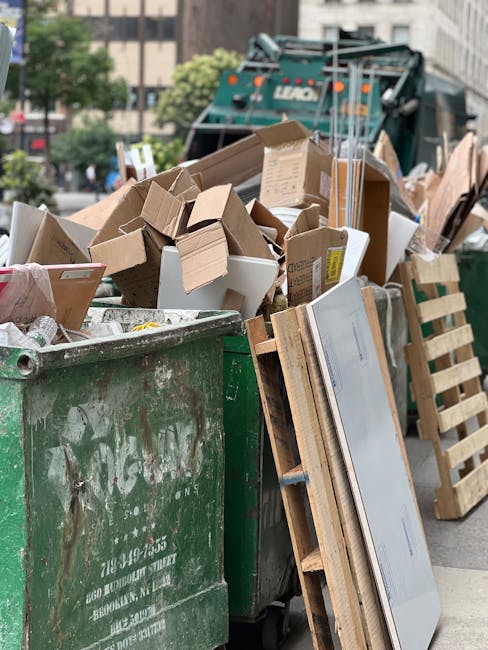
If you live, work, or manage property near Mill Lane in Fortune Green, rubbish collection NW6 can...
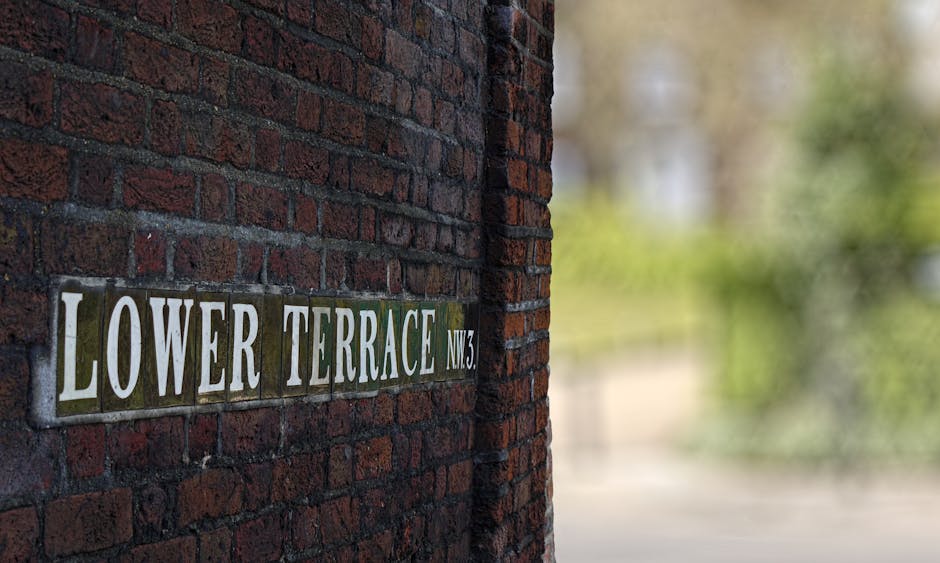
If you are dealing with clutter near the station, a flat move-out, post-refurbishment debris, or...
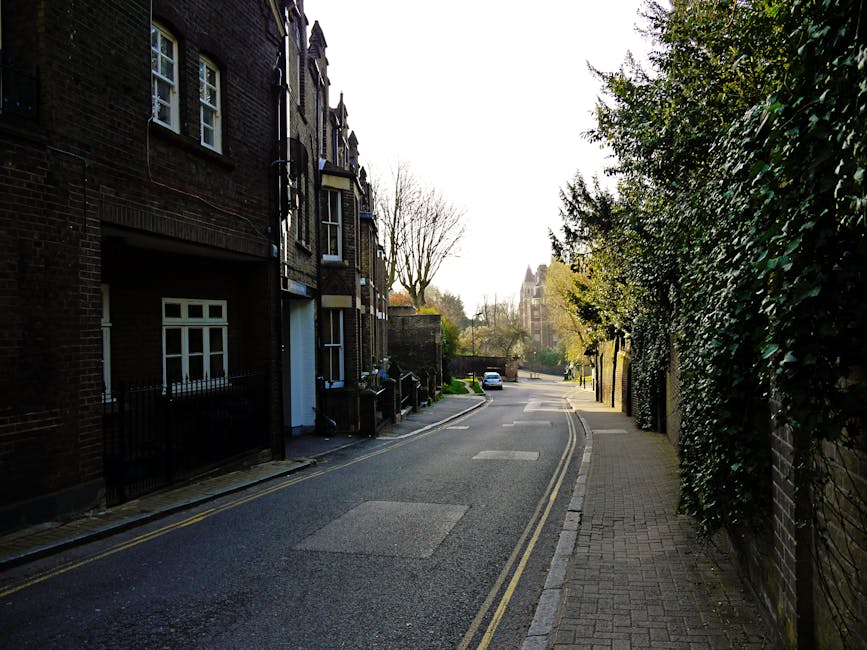
If you live, work, or manage a property near West End Lane, rubbish has a habit of building up at...

Nestled in the London Borough of Camden, Hampstead is one of the city's most sought-after and...

Hampstead, a picturesque and affluent area in North London, offers a variety of exceptional...

 (80)
(80)