Rubbish collection NW6 Mill Lane Fortune Green
Posted on 14/06/2026
Rubbish collection NW6 Mill Lane Fortune Green: a practical local guide for homes, landlords and businesses
If you live, work, or manage property near Mill Lane in Fortune Green, rubbish collection NW6 can be one of those jobs that quietly gets bigger the longer you leave it. A few black bags become a hallway pile. A broken chair turns into a week of inconvenience. Then suddenly you are looking for a fast, reliable, local solution that keeps the place tidy without turning the day upside down.
This guide explains how rubbish collection NW6 Mill Lane Fortune Green works, what to expect, who it suits, and how to choose the right service with confidence. It also covers compliance, practical mistakes to avoid, and a few real-world tips from the kind of jobs that tend to happen in this part of north west London. Nothing dramatic. Just useful, grounded advice.
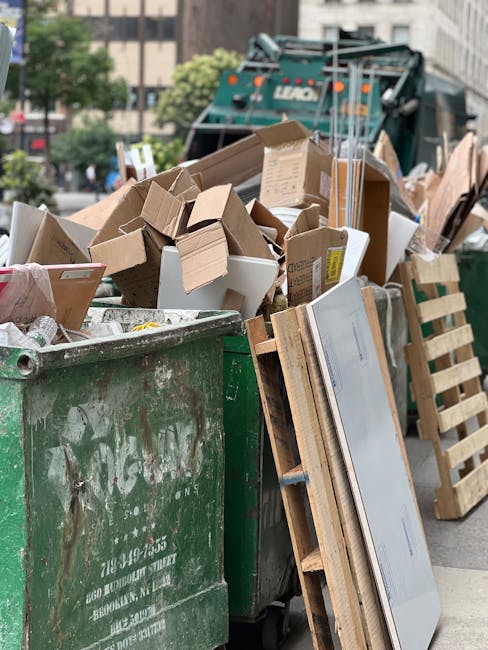
Why Rubbish collection NW6 Mill Lane Fortune Green Matters
Fortune Green has a distinctly residential feel, with busy roads, shared entrances, compact front gardens, and the usual London constraints: limited storage, tight parking, and people who would rather not stare at unwanted waste for days on end. In that setting, rubbish collection is not just a convenience. It helps keep homes safe, keeps building entrances clear, and prevents waste from becoming a neighbourly nuisance.
It also matters for presentation. If you are selling, letting, renovating, or simply trying to keep on top of family life, visible rubbish creates clutter fast. A clean exterior and clear access points make a real difference, especially around Mill Lane where traffic flow and pedestrian movement can be a bit stop-start at the best of times. Truth be told, nobody enjoys dragging a mattress or old cupboards through narrow access at 7:30 on a wet Tuesday.
There is a practical side too. Mixed rubbish left out too long can attract pests, create trip hazards, and make sorting harder. That is especially relevant when waste includes awkward items like furniture, broken appliances, or renovation offcuts. A proper collection approach helps you deal with it once, and deal with it properly.
If you want a broader sense of how local waste services fit together, the services overview is a useful place to understand the wider options available.
How Rubbish collection NW6 Mill Lane Fortune Green Works
At its simplest, rubbish collection is the organised removal of waste from your property and its transfer to an authorised facility for sorting, recycling, recovery, or disposal. In practice, the experience can vary depending on what you need removed and how accessible the property is.
Most local collections follow a similar pattern:
- You describe the waste, location, and access.
- A quote is provided based on the amount and type of material.
- A collection slot is arranged, often with some flexibility for urgent jobs.
- The team arrives, assesses the load, and removes it from the property.
- The waste is transported for responsible processing.
For many people near Mill Lane, the key issues are timing and access. Is there room for a van? Are the items on the ground floor or up several flights? Do you need help from inside the property, or is everything already bagged and ready at the front? Those little details make a bigger difference than people expect.
Different waste types also matter. General household rubbish is usually straightforward. Furniture, white goods, and builder's waste need a bit more planning. If you have a mix of items, it is worth being honest from the start, because the collection plan needs to match the load. No surprises later is always better.
Many local residents pair rubbish collection with broader clear-out work, which is why pages such as domestic waste collection in West Hampstead and waste clearance in West Hampstead are often relevant follow-on reading.
Key Benefits and Practical Advantages
A good rubbish collection service does more than move bags from A to B. It saves time, reduces stress, and helps you avoid the awkward business of figuring out what can go where. That last part can be a headache, especially if you are dealing with mixed items and a deadline.
- Speed: ideal when you need clutter removed before a move, sale, inspection, or delivery.
- Convenience: no lifting hire equipment, no repeated trips, no need to borrow a bigger car.
- Access support: useful for flats, maisonettes, and properties with limited parking.
- Responsible handling: waste can be separated and routed for recycling where possible.
- Less disruption: a fast clearance reduces time spent living around the mess.
There is also a subtle benefit people often overlook: mental clarity. A cluttered hallway or spare room quietly drains energy. Once the waste is gone, the place feels lighter. Sounds a bit soft, maybe, but anyone who has cleared a room after a long delay knows exactly what that feels like.
If sustainability is important to you, it makes sense to read more about recycling and sustainability so you understand how materials are treated after collection.
Who This Is For and When It Makes Sense
Rubbish collection NW6 Mill Lane Fortune Green is useful for a wide range of people, not just those with a major clear-out. In fact, some of the most common jobs are fairly ordinary.
Homeowners and tenants
Maybe you have finally tackled the loft. Maybe the kitchen has been replaced and you are staring at the old units. Or perhaps life has simply happened, and the spare room has turned into a storage zone. Collection makes sense when the pile is more than the council bin system can reasonably handle.
Landlords and letting agents
End-of-tenancy waste is a classic one. A tenant leaves behind furniture, broken items, black bags, or a mix of everything. You want the property turned around quickly, and you usually want it done with as little friction as possible.
Local businesses
Shops, offices, and small studios in and around NW6 may need periodic rubbish collection for packaging, old fixtures, equipment, or office clutter. If the waste is business-related, it is sensible to use a provider that understands commercial waste removal and can handle the paperwork and scheduling side properly.
Builders and renovators
Small refurb projects create more waste than people expect. Old plasterboard, timber, tiles, packaging, broken fittings. It all adds up. For that kind of job, a dedicated builders waste disposal service is usually the right fit.
Sometimes the trigger is simple: a move-out date, a new sofa arriving, or a family weekend spent sorting a home that has been too full for too long. The moment you start tripping over the stuff, it is probably time.
Step-by-Step Guidance
Here is a simple, practical way to approach rubbish collection without overcomplicating it.
- Sort the waste into broad groups. Keep general rubbish, furniture, appliances, garden waste, and renovation debris separate if possible.
- Identify anything unusual. Paint tins, sharp materials, electrical items, and heavy items need different handling.
- Check access. Note stairs, narrow hallways, permit-sensitive parking, and whether the waste is inside or outside.
- Request a clear quote. A good quote should reflect the amount of waste, labour, access, and any special handling needs. If you need a sense of pricing structure, the pricing and quotes page is a sensible reference point.
- Confirm what happens on the day. Ask whether the team will carry items from inside the property or whether they should be left in a specific place.
- Prepare the waste. Put loose items into bags if that helps speed things up, but do not overload them so much that they split. Happens all the time.
- Keep a short inventory if needed. This is especially useful for landlords, offices, and anyone clearing mixed contents.
- Ask about recycling and disposal. A responsible operator should be able to explain what happens to your waste in plain English.
A small tip from experience: if you are clearing a flat, do the heaviest items first. Once the bulky stuff goes, everything else seems easier. Funny how that works.
Expert Tips for Better Results
There are a few habits that tend to make rubbish collection smoother, quicker, and less expensive overall.
- Be specific in your description. "A few bags" and "about half a van of mixed household waste" are very different jobs.
- Use photos if you can. Clear pictures of the waste and access points help avoid misunderstandings.
- Keep reusable items separate. If something can be donated, sold, or reused, do that before the collection date.
- Plan around access hours. In busy streets, timing matters. Morning collections can be easier than late afternoon when parking gets tighter.
- Think in zones. Separate the waste into piles: keep, recycle, remove, donate. It sounds basic, but it works.
For people managing a larger property clean-up, services like house clearance or loft clearance can be more efficient than arranging multiple smaller collections. One visit. Less fuss.
And if the job involves bulky furniture, combining collection with furniture removal or furniture disposal can simplify the whole thing. No need to overthink it.

Common Mistakes to Avoid
Most rubbish collection problems are preventable. The tricky bit is that they usually look small right up until collection day.
- Underestimating volume: people often think a load is "small" until it is stacked next to a van.
- Mixing prohibited or tricky items without warning: electricals, chemicals, and sharp materials need attention.
- Poor access planning: if parking is restricted or the waste is behind several doors, tell the provider early.
- Leaving it too late: if you need the space clear for trades, inventory checks, or a move, book ahead where possible.
- Choosing on price alone: the cheapest option can become expensive if it causes delays or extra charges.
- Not asking what happens after collection: responsible disposal matters, not just removal.
One of the more annoying mistakes, honestly, is forgetting that a "simple" job can still be physically awkward. A collection team can only work with what they can actually reach. If a sofa is wedged behind a dining table, somebody is moving furniture first. That's just the reality of it.
Tools, Resources and Recommendations
You do not need a lot of fancy tools to organise rubbish collection, but a few simple things help.
- Mobile camera: take clear photos of items and access points.
- Basic labels or marker pens: useful when sorting what stays and what goes.
- Heavy-duty bags: better than thin bags that split on the staircase.
- Gloves and sturdy footwear: especially for lofts, gardens, and dusty clear-outs.
- Measuring tape: useful for bulky items like wardrobes, sofas, and white goods.
For service planning, the most useful resources on the site are usually services overview, about us, and waste carrier licence and compliance. Those pages help you check what the company offers, how it works, and how seriously it treats legal handling standards.
If you are looking at a broader local content picture, the site's neighbourhood posts can also help you understand the wider area context, including life around Hampstead and the quieter side of Hampstead. Not directly about waste, but it helps frame the kind of local environment people are trying to keep tidy.
Law, Compliance, Standards, or Best Practice
Waste collection in the UK sits within a compliance framework, so it is sensible to work with a provider that understands its responsibilities. You do not need to become a waste-law expert, thankfully, but a few basics matter.
For householders, the main issue is making sure your waste is handed to a legitimate carrier and not fly-tipped later. For businesses and landlords, the standard of care should be higher still, because you may have records, duty-of-care expectations, and a stronger need for traceability.
Best practice usually includes:
- clear identification of waste type before collection
- transparent communication about what can and cannot be taken
- appropriate handling of electrical items and bulky waste
- transfer to authorised facilities rather than informal dumping
- careful treatment of the property and access routes
Safety matters too. Lifting heavy items, handling sharp fragments, or moving waste through shared hallways can cause damage or injury if done carelessly. That is why reputable operators tend to take access, lifting method, and item type seriously. If you want more detail on operational care, the insurance and safety page is worth reading.
For payment handling and customer data, it is also reasonable to expect a sensible level of security and privacy. The pages on payment and security and privacy policy set the tone for that kind of trust.
Options, Methods, or Comparison Table
Different waste jobs need different approaches. A quick comparison helps clarify what makes sense.
| Method | Best for | Strengths | Limitations |
|---|---|---|---|
| DIY tip run | Very small loads, own transport, flexible time | Can be cheap if you already have a suitable vehicle | Time-consuming, physically demanding, not ideal for bulky items |
| Scheduled council collection | Routine household items and permitted collections | Useful for some standard waste streams | Less flexible, may not suit urgent or bulky jobs |
| Private rubbish collection | Mixed waste, urgent clear-outs, bulky items, awkward access | Fast, convenient, tailored to the job | Costs vary by load and access |
| Full clearance service | Lofts, houses, offices, end-of-tenancy, renovations | Best for larger or more complex jobs | May be more than you need for a few bags |
In many NW6 situations, private rubbish collection is the sweet spot. It is quick enough for busy households and flexible enough for properties where access is not exactly easy. Mill Lane can be like that. A bit of parking patience required, shall we say.
For furniture-heavy jobs, you may want to compare with specialised pages such as white goods and appliance disposal, because fridges, washing machines, and similar items sometimes need a more specific plan than general waste.
Case Study or Real-World Example
Imagine a first-floor flat near Fortune Green after a kitchen refresh. The old base units, a broken dining chair, several black bags of packaging, a microwave, and a few damaged shelving boards are all stacked in the hallway. The residents want the place ready before the new flooring goes in, and they also need access kept clear for the fitter arriving the next morning.
A sensible approach is to sort the waste into three groups: furniture, general rubbish, and electrical items. Photos are taken. Access is checked. The collection is booked for a morning slot, because by lunchtime the street is busier and parking gets messy. On arrival, the team removes the items in one visit, with the larger pieces carried out first to free up space.
Nothing glamorous. But the result is exactly what matters: the hallway is clear, the fitter can work, and the household is not spending the evening living around rubble and packaging. That is the kind of everyday success people want from rubbish collection, even if they never say it out loud.
A similar pattern often appears for offices too. A small team clears old desks, filing cabinets, and packaging after a refit, and pairs the job with office clearance or broader commercial waste removal when there is more to shift than standard refuse.
Practical Checklist
Use this quick checklist before booking rubbish collection NW6 Mill Lane Fortune Green.
- List all items that need removing.
- Separate furniture, appliances, garden waste, and general rubbish.
- Take photos of the load and access route.
- Measure any bulky items if needed.
- Check whether parking or stairs may affect collection.
- Ask how the waste will be handled after removal.
- Confirm the booking time and any arrival window.
- Keep children, pets, and walkways clear on the day.
- Set aside anything you want to keep or donate.
- Review pricing and ask about any likely extras before the job starts.
Expert summary: the best rubbish collection service is not just the quickest one. It is the one that matches your waste type, access, timing, and expectations without creating more work for you later. Small details, big difference.
Conclusion
Rubbish collection NW6 Mill Lane Fortune Green is really about making busy local life easier. Whether you are clearing a flat, sorting a loft, preparing a rental, or dealing with bulky waste after a refurb, the right collection approach saves time and keeps the property safe and usable.
The main things to remember are simple: describe the waste clearly, plan for access, choose a provider that understands compliance and responsible disposal, and do not leave the job until it becomes a nuisance. That is usually where the stress starts. Better to sort it while it is still manageable.
If you are weighing up options, start by checking the relevant service pages, compare the type of collection you actually need, and look for a provider that communicates plainly. That alone removes a lot of uncertainty, which is no small thing when you already have a pile of rubbish in the corner.
Get a free quote today and see how much you can save.
And once the clutter is gone, you will notice something small but satisfying: the space feels calmer, the air feels lighter, and suddenly the room makes sense again.

 Tipper Van - Waste Disposal and Junk Clearance Prices in West Hampstead, NW6
 Luton Van - Waste Disposal and Junk Clearance Prices in West Hampstead, NW6