Common booking mistakes for West Hampstead waste collection
Posted on 19/08/2026

Booking rubbish removal sounds simple enough. You make a call, pick a slot, point at the pile, and it all disappears. In real life, though, a few small booking mistakes can turn a tidy clearance into a messy delay, a surprise charge, or a very awkward conversation on the pavement outside your building. If you are looking at Common booking mistakes for West Hampstead waste collection, this guide walks through the pitfalls that matter most in NW6 and how to avoid them without making the process harder than it needs to be.
West Hampstead brings its own quirks: flats with tight stairwells, busy roads, limited parking, shared entrances, and the occasional item that is heavier than it looks. Let's face it, a sofa always seems lighter in the showroom. This article covers the booking process from a practical angle, with the kind of detail that helps you choose the right service, set expectations clearly, and avoid last-minute stress.
Why Common booking mistakes for West Hampstead waste collection Matters
Booking waste collection is not just about getting rid of clutter. It affects access, timing, cost, safety, and how smoothly your day runs. In West Hampstead, the margin for error is often smaller than people expect. A missed detail can mean the team arrives and cannot get close enough to collect the waste, or the booking no longer matches what is actually on site.
That matters because waste jobs are usually priced and planned around a few simple variables: volume, weight, type of material, ease of access, and collection time. If those details are wrong, the quote may need adjusting. If access turns out to be poor, the team may need extra time. And if the booking is rushed, you may forget important items such as bulky furniture, electricals, or builder's waste that need separate handling.
It also matters from a trust perspective. A good booking process helps you compare services properly and avoids that slightly sinking feeling when the final bill does not match what you thought you agreed. If you are already comparing providers, pages like pricing and quotes and services overview can help you understand what is normally included before you commit.
Expert summary: Most booking problems come down to three things: inaccurate information, poor access planning, and unclear expectations. Get those right, and the whole job usually becomes much simpler.
How Common booking mistakes for West Hampstead waste collection Works
The booking process usually starts with a description of the rubbish, followed by a rough estimate of quantity and access. A provider then uses that information to plan the right vehicle, crew size, and time slot. Sounds straightforward. But the details make all the difference.
For example, a customer might say they have "a bit of furniture and some bags," when in fact they also have an old mattress, two dismantled wardrobes, a fridge, and paint tins in the hallway. That changes everything. Likewise, saying access is "fine" when the property is on the third floor without a lift is not exactly ideal. Booking mistakes happen when the job is described too loosely or too optimistically.
In practice, a well-booked collection usually involves:
- a clear list of what needs removing
- photos or a description of item size and quantity
- confirmation of access, parking, and any building restrictions
- the preferred date and time window
- agreement on how pricing will be handled if the job changes
If you are arranging a domestic clearance, it can help to review a relevant service page like domestic waste collection in West Hampstead before you book. If it is a bigger clearance with mixed items, waste clearance in West Hampstead may be the closer fit.
One small but important point: in a place like West Hampstead, your booking should reflect the building, not just the pile. A neat-looking job in a flat can still take longer than expected if the route out is narrow, busy, or shared with neighbours. That is just how it goes sometimes.
Key Benefits and Practical Advantages
Booking waste collection properly gives you more than convenience. It reduces friction at every stage. You know who is coming, what they are collecting, and what the job is likely to cost. That clarity is worth a lot, especially if you are juggling a move, renovation, office clear-out, or end-of-tenancy deadline.
Here are the main benefits of getting the booking right first time:
- Fewer surprise charges because the quote matches the real job more closely
- Smoother collection day because access and timing have been thought through
- Less wasted time for you and the crew
- Better sorting of waste types such as furniture, appliances, green waste, or builder's waste
- Lower stress when you are trying to clear space quickly
There is also a practical environmental angle. Clearer bookings tend to support better sorting and recycling because the provider knows what is arriving and can plan accordingly. If sustainability matters to you, it is worth reading more about recycling and sustainability before booking.
For businesses, a tidy booking process can protect staff time and avoid disruption to opening hours. If that sounds familiar, you may also want to look at commercial waste removal in West Hampstead or office clearance depending on the size of the job.
Who This Is For and When It Makes Sense
This topic is relevant to more people than you might think. If you live in a flat, manage a rental, run a small business, or are dealing with post-renovation rubbish, the same booking mistakes can trip you up.
It is especially useful for:
- homeowners clearing out lofts, spare rooms, or garages
- tenants at the end of a lease who need quick, reliable collection
- landlords and letting agents handling left-behind items
- office managers arranging a desk, chair, or archive clearance
- builders and tradespeople with bags of rubble, timber, or mixed debris
- anyone arranging bulky item disposal, including sofas, wardrobes, or white goods
It also makes sense if you are short on time. The same-day or next-day booking is often where mistakes happen, because people feel the pressure and skip important checks. If you need something fast, see the practical guidance in same-day rubbish removal for urgent jobs.
If you have access issues in a converted building or apartment block, the booking stage becomes even more important. A helpful local read is rubbish collection access problems in West Hampstead flats, which reflects the kind of real-world complications many NW6 residents face.
Step-by-Step Guidance
Here is a sensible way to book waste collection without creating extra problems for yourself. Nothing fancy, just a clean process that works.
- List every item
Walk through the property and write down everything that needs removing. Include items that are hidden away, like broken lamps, boxes in cupboards, or garden waste in the shed. People often forget the "small" stuff, then remember it when the van is already on the way. Not ideal. - Estimate the volume honestly
Use photos if possible. A few images taken in daylight are usually better than a vague description. If you are unsure, say so. A good provider would rather have an honest "I think it is between one and two loads" than a guess dressed up as certainty. - Check access details
Stairs, lifts, gated entries, parking restrictions, and narrow hallways all matter. If the collection point is inside a block, mention fobs, intercoms, or concierge rules. These details can save a lot of back-and-forth later. - Separate special items
Appliances, mattresses, builders' rubble, soil, and mixed waste may require different handling. If you need help with specific items, pages such as furniture disposal, white goods and appliance disposal, or builders' waste disposal may be useful. - Confirm timing and any constraints
Busy streets around West Hampstead can make timing more important than people expect. If you have school-run traffic, loading restrictions, or building access windows, say so early. - Ask how changes are handled
What happens if there is more rubbish on the day? How are additional items priced? This one question prevents a lot of awkwardness. - Read the terms before you pay
It sounds dull. It is dull. But it saves headaches. If you want the basic rules in one place, check terms and conditions and payment and security.
One tiny habit helps a lot: take a quick photo of the waste pile just before collection day. It gives you a reference point if anything changes. Simple, but useful.
Expert Tips for Better Results
After enough bookings, you start to see the same patterns. A few small habits make the whole thing easier.
- Be precise about mixed loads. A single job might include furniture, packaging, broken shelving, and garden cuttings. Mixed waste needs clearer planning than one-category waste.
- Measure bulky items roughly. You do not need a tape measure for everything, but dimensions for wardrobes, mattresses, or appliances can help.
- Think about carrying distance. Ten metres from front door to vehicle is one thing; three flights of stairs and a long walk to a side street is another.
- Book before the pressure peaks. Moving day, renovation deadlines, and end-of-month office clearances tend to be the busiest. Booking early usually gives you more choice.
- Keep one contact person in charge. If several family members or colleagues keep changing the plan, mistakes creep in. Faster than you think.
If you want to understand broader service options before choosing, the services overview page is a good starting point. For domestic jobs in particular, the right fit can be the difference between a straightforward visit and a slightly chaotic one.
And a gentle reminder: if the job is unusual, say it is unusual. A "normal booking" for a student flat is not the same as a house clearance after a long move, and everyone's better off when that is said plainly.
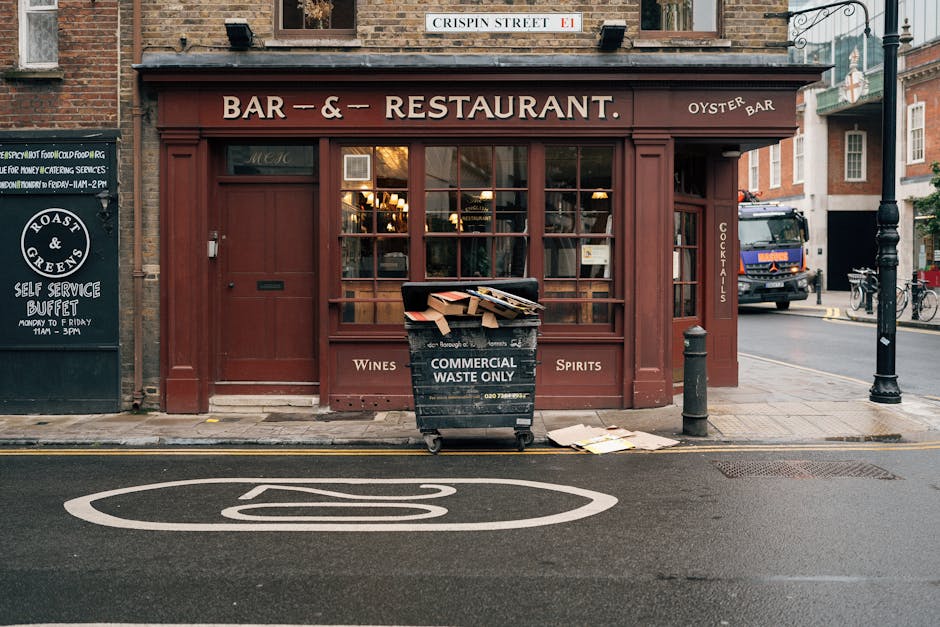
Common Mistakes to Avoid
This is the section that usually saves people the most money and stress. The same mistakes come up again and again, and most are easy to prevent once you know what to look for.
1. Underestimating the amount of waste
People often judge a pile by eye and assume it is smaller than it really is. A few bags, a chair, and a broken cabinet can fill a vehicle space faster than expected. Underestimating leads to revised quotes or a second visit.
2. Forgetting about access limitations
West Hampstead homes and businesses often have tight entrances, staircases, basement steps, or limited loading space. If you do not mention these, the booking may not reflect the real time needed for collection.
3. Mixing item types without warning
Furniture, electronics, builders' debris, garden waste, and general rubbish are not always treated the same way. Saying "it is just waste" is too vague. Separate categories where possible.
4. Not checking what is included in the quote
Some quotes cover labour, loading, and disposal; others are more limited. If you compare providers, do so on like-for-like details. That is where hidden costs often appear. A useful companion read is avoid hidden rubbish removal costs in West Hampstead.
5. Booking too late
Last-minute bookings can be fine in some cases, but they reduce flexibility. If your collection is tied to moving day or a contractor visit, leaving it late can create a domino effect. Not fun.
6. Ignoring building or landlord rules
Some blocks require advance notice for collections, and some landlords want shared areas left clear. If you skip these checks, the collection may be delayed even if the provider is ready.
7. Failing to mention difficult items
Fridges, freezers, mattresses, and large wardrobes often need extra care or planning. So do rubble bags that are heavier than they look. Mention them early, especially if you are dealing with furniture removal or appliance disposal.
Truth be told, most booking errors are not dramatic. They are just small omissions that stack up. And then suddenly the whole job is more expensive and more awkward than it needed to be.
Tools, Resources and Recommendations
You do not need a toolkit the size of a builder's yard, but a few simple resources make booking much smoother.
- Your phone camera for photos of the waste pile and access route
- A rough inventory list on paper or notes app
- Basic measurements for awkward items like sofas, wardrobes, or appliances
- Building access information such as flat number, floor level, lift availability, and entry instructions
- One point of contact if the booking involves a landlord, tenant, manager, or tradesperson
It can also help to think through the type of clearance you actually need. For example, house moves and inherited properties often suit house clearance, while attic decluttering may be better handled through loft clearance. For outdoor jobs, garden waste removal is usually the better match.
If your collection sits somewhere between domestic and business work, a few local reading pieces can help you understand common scenarios in the area, such as the West End Lane guide, rubbish clearance near West Hampstead Thameslink station, and collection around Mill Lane and Fortune Green.
None of that is glamorous. Still, it works.
Law, Compliance, Standards, or Best Practice
For waste collection, compliance is mostly about using a reputable provider and making sure waste is handled responsibly. You do not need to become an expert in regulations to book well, but you should know the basics.
At a practical level, look for signs that the service is operating properly: clear pricing, transparent terms, sensible safety arrangements, and a straightforward explanation of how waste is handled. If a provider can explain their carrier compliance, insurance approach, and safety procedures in plain English, that is a good sign. If not, pause.
For your side of the booking, best practice means:
- describing the waste honestly
- confirming access restrictions up front
- checking what items need special handling
- reading the terms before payment
- keeping any booking confirmation or messages
If compliance and safety are important to you, it is worth reviewing waste carrier licence and compliance and insurance and safety. Those pages help set expectations without overcomplicating things. And if you care where the waste ends up, the sustainability page mentioned earlier gives a useful overview of responsible handling.
There is also a simple common-sense rule: if a booking feels vague, it probably is. Ask another question. Better to sound careful than to discover a problem half-way through the job.
Options, Methods, or Comparison Table
Different jobs need different booking approaches. A quick comparison can make the choice easier.
| Booking approach | Best for | Strengths | Watch-outs |
|---|---|---|---|
| Photo-based estimate | Most domestic and small business jobs | Fast, clear, easy to review | Photos need to show the full pile and access route |
| Inventory list booking | House clearances, office clearances, mixed loads | Good for detailed planning and item tracking | Takes longer to prepare |
| Site visit or viewing | Large, awkward, or highly restricted access jobs | Reduces uncertainty | May take extra coordination |
| Urgent same-day booking | Time-sensitive clearances | Quick turnaround | Less flexibility, more chance of missing details |
For many readers, the photo-based route is the sweet spot. But if you are arranging something more complex, like a full flat clearance or a workplace refresh, an inventory list usually gives a better result. It is slightly more effort upfront, yes, but the booking tends to be cleaner.
And if access is the main issue, the local article on flats and access solutions is especially relevant.
Case Study or Real-World Example
Here is a realistic example based on the kind of booking pattern many people in West Hampstead run into.
A resident in a first-floor flat wanted to clear a sofa, a coffee table, several bags of household rubbish, and an old microwave before a decorating job. On the booking call, they described it as "just a bit of furniture and some rubbish." That sounded manageable enough, but they forgot to mention the narrow staircase, the fact that parking was limited to a short loading window, and that the microwave was in the kitchen behind a fixed island unit.
On the day, the team could still complete the job, but it took longer than expected and the quote had to be reviewed because the original description did not reflect the access conditions. Nothing disastrous. Just avoidable.
If that person had sent a couple of photos, mentioned the stairs, and listed each item separately, the booking would probably have gone through more smoothly. Maybe even cheaper, depending on the final load. That is the simple lesson: specific bookings are better bookings.
When people ask what makes a job "bookable" without hassle, this is usually the answer: clarity, honesty, and a little bit of planning. Not exciting, but effective.
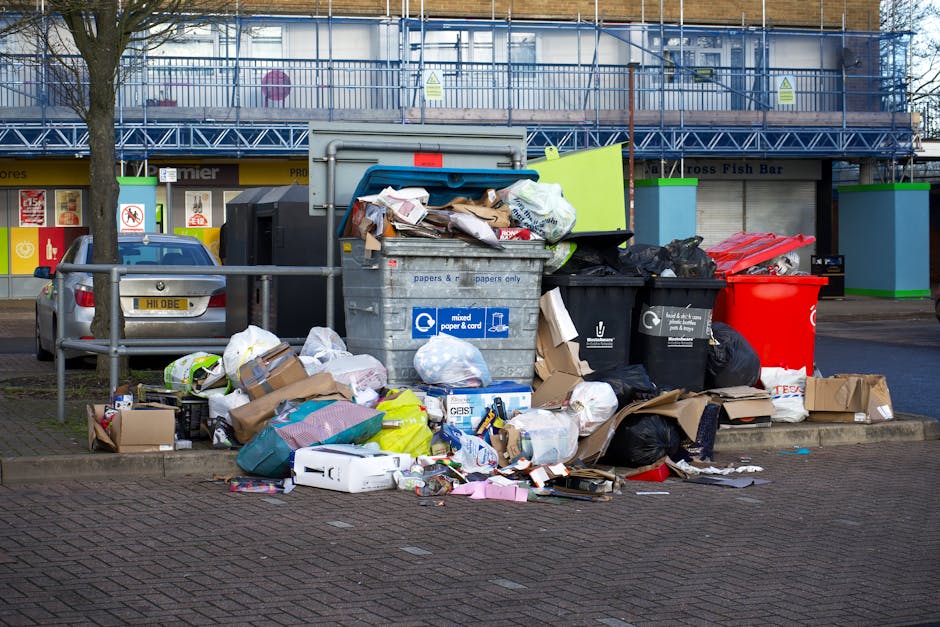
Practical Checklist
Use this checklist before you confirm your waste collection booking.
- Have I listed every item to be removed?
- Have I checked whether any items need special handling?
- Have I taken photos of the waste and access route?
- Have I described stairs, lifts, parking, and entry access clearly?
- Have I confirmed the date, time window, and any building restrictions?
- Do I understand what the quote includes and excludes?
- Have I read the relevant terms and payment details?
- Have I checked whether the job is domestic, commercial, or mixed clearance?
- Have I made room for anything I may have forgotten in the first pass?
- Do I have one person who will be available on collection day if needed?
If you can tick those off, you are in a much better place than most last-minute bookings. And yes, it really does save time later.
Get a free quote today and see how much you can save.
Conclusion
The biggest booking mistakes for West Hampstead waste collection are rarely dramatic. They are the small oversights: vague item lists, poor access details, late booking, and not checking what the quote actually covers. Fix those, and the rest tends to fall into place. That is especially true in West Hampstead, where buildings, parking, and street access can make a simple-looking job a bit more complex than expected.
If you want a smooth collection, be specific, be honest, and give the booking enough context to reflect the real job. A few minutes of preparation can prevent a lot of back-and-forth later. In our experience, that is usually where the real value sits.
And once the clutter is gone, the room feels bigger straight away. You can hear the difference, oddly enough.

 Tipper Van - Waste Disposal and Junk Clearance Prices in West Hampstead, NW6
 Luton Van - Waste Disposal and Junk Clearance Prices in West Hampstead, NW6