Rubbish clearance West Hampstead Thameslink station area
Posted on 06/06/2026
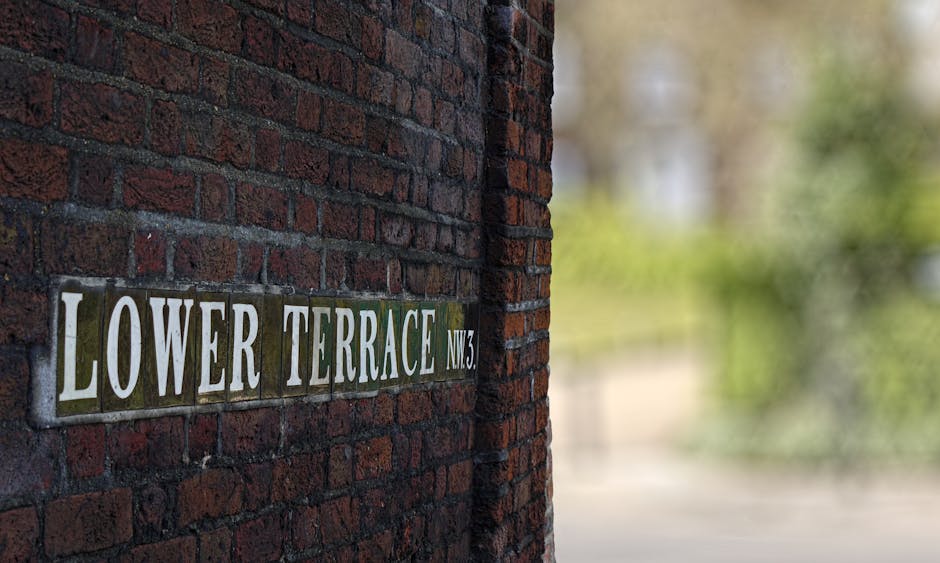
Rubbish clearance West Hampstead Thameslink station area: a practical local guide
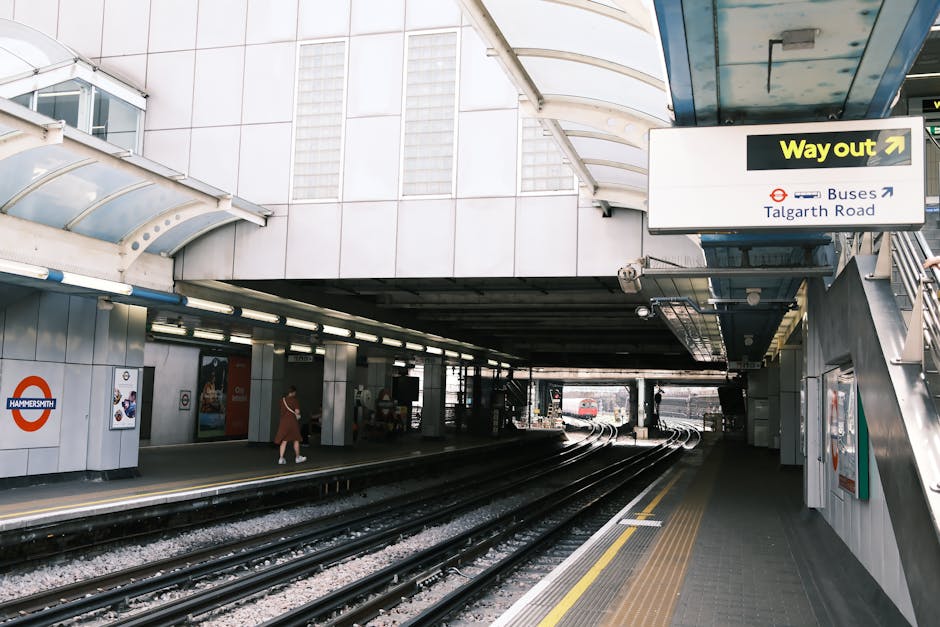
If you are dealing with clutter near the station, a flat move-out, post-refurbishment debris, or just a pile of things that have quietly taken over a hallway, rubbish clearance in the West Hampstead Thameslink station area can save a lot of time and stress. The trick is doing it in a way that is fast, tidy, compliant, and actually suited to the realities of this part of North West London. Busy roads, limited parking, shared entrances, tight stairwells, and the usual rush around the station all make a difference.
This guide explains what rubbish clearance involves, how the process usually works, who it suits, and what to watch out for. It also covers practical ways to choose the right service, avoid common mistakes, and keep disposal safe and responsible. In other words, the useful stuff, not the fluff.
Why Rubbish clearance West Hampstead Thameslink station area Matters
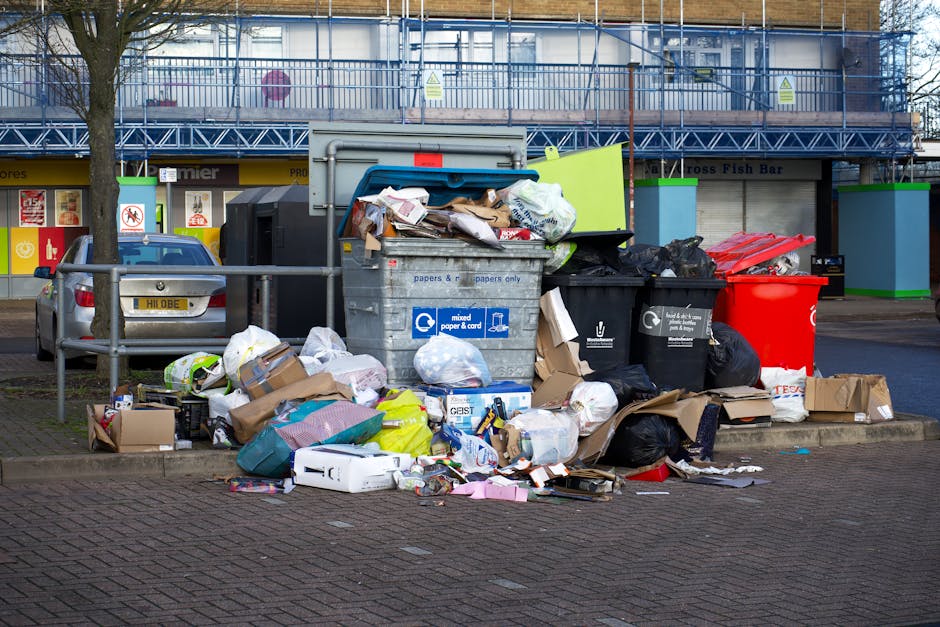
The West Hampstead Thameslink station area is one of those places where everyday life moves quickly. People are commuting, deliveries are arriving, and properties are often being turned over or updated. That means waste can build up fast. A broken wardrobe at the front of a block, builder's bags left longer than planned, or an office storeroom full of old equipment can turn into an awkward problem very quickly.
Rubbish clearance here matters because space is at a premium. You do not have the luxury of letting unwanted items sit around for days on end. They can block access, create complaints from neighbours, and make a property feel much harder to manage. If you have ever tried to carry a mattress down narrow communal stairs while the 8:17 is thundering past outside, you will know the sort of chaos we mean.
There is also a visual and practical side. Near a transport hub, clutter looks worse and feels worse. It can attract fly-tipping, obstruct bin storage areas, and make a good property seem neglected. On the other hand, a clean clear-out can make a flat easier to rent, sell, renovate, or simply live in without feeling boxed in.
For landlords, homeowners, agents, and local businesses, the value is even clearer. Fast disposal helps keep turnovers on schedule. For residents, it often means getting their home back from things they no longer need. That is a relief, plain and simple.
For a wider sense of local life and neighbourhood context, you may also find these articles useful: exploring life in Hampstead and the quieter side of Hampstead.
How Rubbish clearance West Hampstead Thameslink station area Works
Most rubbish clearance jobs follow a straightforward pattern, though the details can vary depending on the amount of waste, the type of property, and access around the station. The basic idea is simple: identify what needs removing, agree the scope, collect the waste, and ensure it is taken to the right destination for disposal or recycling.
In practice, a good clearance service will usually start with a brief assessment. That might be a phone conversation, photos, or a site visit for larger jobs. The aim is to understand volume, item type, lifting difficulty, and whether there are any access issues. Around West Hampstead Thameslink, access matters a lot. Parking windows can be short, pavements busy, and loading needs to be done neatly and efficiently.
Once the job is agreed, the team arrives with the right crew and vehicle. If the clearance includes heavy or awkward items, they should come prepared with proper lifting equipment and protective gear. Good operators do not just "grab and go". They sort as they remove, separating reusable, recyclable, and residual waste where possible.
Then comes the disposal stage. Responsible clearance is not simply dumping everything together. Different waste streams need different handling. For example, furniture, appliances, garden waste, builders' debris, and office waste may all move through different routes. That is one reason it pays to use a proper waste service rather than improvise with random trips to the nearest option you found in a hurry. It sounds obvious. People still get it wrong all the time.
If you want a broader view of service coverage, you can also look at the site's services overview, which helps explain how different types of clearance fit together.
Key Benefits and Practical Advantages
The best rubbish clearance service should do more than remove items. It should reduce stress, save time, and lower the chance of a messy day turning into a bigger one. Around the station area, those benefits are easy to see.
- Speed: Fast clearance means less time living with clutter, especially if you are preparing for tenants, a sale, or a renovation.
- Convenience: You avoid multiple car trips, heavy lifting, and the awkward "where do we put this?" conversation.
- Better presentation: A clean space is easier to sell, let, or use productively.
- Safer access: Removing obstructive waste reduces trip hazards in stairwells, shared entrances, and service areas.
- Responsible disposal: A proper service will sort materials more carefully than a rushed DIY approach.
- Less disruption: A well-planned job minimises time spent blocking parking bays, gates, or communal passageways.
There is also a surprisingly important emotional benefit. Clutter near home often carries a mental load. You keep seeing it, and it keeps reminding you of a job not done. Once it goes, the whole place breathes a bit easier. That may sound a touch dramatic, but honestly, it is true.
For households dealing with specific items, dedicated services can help as well. For example, a furniture removal service can be ideal for bulky sofas and beds, while appliance disposal is better suited to fridges, washing machines, or other white goods that need careful handling.
Who This Is For and When It Makes Sense
Rubbish clearance near West Hampstead Thameslink station is not just for one type of customer. It makes sense for a wide mix of people and businesses.
Homeowners often need clearance after a declutter, a move, or a home project. Sometimes the loft has turned into a storage zone for "things we might need one day." Truth be told, most of them never see daylight again.
Renters may need a quick turnaround when moving out, especially if they have accumulated old furniture or broken items that the landlord will not want left behind.
Landlords and letting agents benefit when a flat needs to be reset between tenancies. Clearance can help get the property back on the market faster and make viewings much smoother.
Builders and tradespeople need reliable removal for renovation debris, packaging, broken fittings, and stripped-out materials. In these cases, timing matters. Waste left too long can stall the next stage of the job.
Offices and small businesses may need clear-out support for desks, chairs, filing cabinets, IT equipment, or general end-of-lease waste. The area around the station has plenty of commercial movement, so keeping business premises tidy is not just about appearance. It is part of day-to-day efficiency.
When does it make sense? Usually when waste is too much for normal bins, too bulky for a simple car trip, or too mixed to handle without planning. If you are hesitating because you think "maybe I can do it myself this weekend", ask yourself: do you really want to spend half a Saturday wrestling a broken wardrobe through a narrow entrance?
Step-by-Step Guidance
Here is a practical way to approach rubbish clearance without making it harder than it needs to be.
- Walk through the space first. Identify everything that needs to go. Separate items by type: furniture, electricals, general waste, garden cuttings, builder's debris, paperwork, and so on.
- Check access. Note stairs, lifts, narrow hallways, parking restrictions, entry codes, and any loading challenges near the station. This saves a lot of back-and-forth later.
- Decide what should be kept, donated, or removed. A good declutter starts with discipline. Be honest about what is truly useful.
- Request a clear quote. Make sure the estimate reflects the actual volume and type of waste. If the job involves mixed waste or difficult lifting, say so upfront.
- Prepare the items. Bag loose rubbish, empty drawers if needed, disconnect appliances safely, and keep walkways clear. That bit alone can save time on the day.
- Allow for sorting and lifting. On collection day, a professional team should remove items carefully and load them efficiently. Good communication helps here.
- Ask about disposal and recycling. You do not need a lecture, but you should know how your waste will be handled.
- Final check. Walk through the property once the clearance is done. It is the quickest way to catch anything missed, especially in corners, cupboards, or storage spaces.
If the clearance is part of a bigger project, it can help to coordinate with other services. A loft tidy-up, for example, often pairs well with loft clearance, while a larger property reset might need house clearance.
Expert Tips for Better Results
A few small decisions can make a clearance job noticeably smoother. The little details matter more than people think.
- Separate heavy items early. Mattresses, wardrobes, and appliances are awkward if left until the end.
- Photograph everything before collection. It helps with quotes and avoids confusion if the job changes.
- Be specific about mixed waste. A pile that looks "mostly rubbish" may contain items that need different handling.
- Clear a route to the waste. A tidy path makes lifting safer and quicker.
- Choose the right day and time. Around the station, avoiding peak congestion can genuinely make the job easier.
- Ask what is recyclable. Small decisions on sorting can improve outcomes and reduce avoidable landfill.
One practical tip that gets overlooked: if you are doing a flat clearance, check the communal rules before the collection day. Shared entrances can get cramped. If everyone knows the plan, there is much less chance of complaints. And yes, neighbours do notice.
For people interested in sustainability, it is worth reading more about the company's approach to recycling and sustainability. A responsible clearance should feel tidy on site and sensible after the van leaves.
Common Mistakes to Avoid
The most common mistake is underestimating how much stuff there actually is. A room that looks "not too bad" can become a significant clearance once drawers, cupboards, under-bed storage, and loft boxes are opened. It happens all the time.
Another mistake is leaving access planning until the last minute. Around West Hampstead Thameslink, parking and loading are rarely generous. If a vehicle cannot stop close enough, the crew may need extra time to move waste safely. That is not a problem if it is planned, but it becomes one if it is assumed away.
People also sometimes mix hazardous or specialist items with regular rubbish. Paints, chemicals, batteries, certain electrical items, and some construction waste need special care. Do not sneak these into an ordinary pile and hope for the best. That is asking for trouble.
Other mistakes include:
- not checking whether the provider is properly insured and compliant
- choosing the cheapest quote without understanding what is included
- failing to mention stairs, narrow access, or lift limitations
- forgetting to disconnect appliances safely
- leaving items outside without permission and creating a public nuisance
A final one, and this is a biggie: assuming all waste removal is the same. It is not. A quick bin emptying, a builders' strip-out, and a business office clear-out are very different jobs. Treat them that way.
Tools, Resources and Recommendations
You do not need a truckload of equipment to plan a good clearance, but a few simple tools help.
- Camera phone: Useful for taking before-and-after photos and sending accurate pictures for a quote.
- Marker pens and tape: Handy for labelling keep, donate, recycle, and remove piles.
- Heavy-duty bags and boxes: Better than overstuffed carrier bags that split halfway down the stairs.
- Gloves: Basic protection for moving dusty or awkward items.
- Tape measure: Helpful for checking whether bulky items will fit through doors or lifts.
For service planning, it can be helpful to review the company's pricing and quotes information before booking. That usually gives you a clearer sense of how jobs are assessed and what factors influence the final figure.
If you are comparing different types of clearance, the following pages can also be useful: rubbish collection for smaller mixed loads, waste clearance for broader jobs, and waste disposal for a general overview of how unwanted items are handled.
Law, Compliance, Standards, or Best Practice
Waste clearance in the UK should always be handled with care and proper responsibility. You do not need to become a legal expert, but a few basics matter.
First, use a provider that can demonstrate proper waste carrier compliance. That matters because waste should not be handed to someone who may dump it illegally. If the operator is vague about where waste goes, that is a red flag. Not always a deal-breaker on its own, but definitely a warning sign.
Second, some waste types need more cautious handling than general household rubbish. Electrical items, heavy furniture, builders' waste, and potentially contaminated materials all require the right process. Best practice is to separate these categories wherever possible and make sure the team knows what they are collecting before they arrive.
Third, safety is part of compliance too. Good lifting technique, safe vehicle loading, suitable PPE, and clear communication all reduce the chance of injury or damage in shared buildings. If you are dealing with a block near the station, the stakes are simple: keep the route clear, avoid blocking access, and do the job cleanly.
You can read more about the company's approach to standards and responsibility through waste carrier licence and compliance, along with insurance and safety and the terms and conditions. Those pages are useful for understanding the framework behind a proper service, not just the collection itself.
Options, Methods, or Comparison Table
There are a few ways to deal with rubbish near West Hampstead Thameslink station. The right one depends on volume, timing, item type, and how much lifting you want to do yourself.
| Method | Best for | Pros | Limitations |
|---|---|---|---|
| DIY disposal | Very small loads, light items | Simple for a few bags; no need to book a collection | Time-consuming, difficult with bulky waste, more lifting and transport hassle |
| Repeat bin use | Everyday household rubbish | No extra service needed | Not suitable for bulky or high-volume waste; can take too long |
| Professional rubbish clearance | Mixed waste, bulky items, time-sensitive jobs | Fast, efficient, safer, less stress | Requires booking and a clear scope |
| Specialist item disposal | Appliances, furniture, offices, lofts, gardens | Better handling for specific waste types | May need more than one service if the waste is mixed |
For many people, the best answer is a combination: sort what you can, then use a professional clearance for the rest. That balance keeps the job manageable without turning your week into a disposal marathon.
Case Study or Real-World Example
A fairly typical local scenario goes like this. A one-bedroom flat close to the station needs clearing before new tenants move in. The previous occupier has left a small sofa, a broken chest of drawers, a mattress, old kitchen bits, and a few bags of mixed clutter in the hallway. Nothing outrageous, but enough to make the space feel cramped and a bit grim.
The sensible approach is to sort the items by type, photograph the load, and check access before collection day. In a case like that, the key issues are usually the staircase, the short parking window, and whether any items need special handling. The clearance team arrives, removes everything in one visit, and the flat is back to a neutral, presentable state by early afternoon. No drama. No repeated trips. Just done.
Another example is a small office near the station replacing old desks and filing units. The job may seem straightforward, but the timing matters because staff still need to work around the removal. A calm, well-planned office clearance means less disruption and no pile-up in reception. If you have ever tried to answer phones while stepping over dismantled furniture, you know why this matters.
For more context on local property turnover and how improvements affect moving or letting decisions, the blog pieces on home purchases in Hampstead and Hampstead real estate are useful reading too.
Practical Checklist
Use this checklist before booking or starting a rubbish clearance near West Hampstead Thameslink station.
- Walk through every room and identify what needs removing.
- Separate furniture, appliances, general rubbish, and special items.
- Take photos of the load and access points.
- Check stairs, lifts, parking, entry codes, and loading restrictions.
- Decide what is staying, being donated, or being cleared.
- Ask for a clear quote based on the actual job size.
- Confirm whether the provider can handle all item types involved.
- Prepare hallways and routes so items can be moved safely.
- Keep any hazardous or questionable materials separate.
- Do a final walk-through after the clearance is finished.
If you are working through a bigger declutter, pairing the job with domestic waste collection or furniture disposal can make the whole process more efficient. Different jobs, same goal: get the space back.
Get a free quote today and see how much you can save.
Conclusion
Rubbish clearance in the West Hampstead Thameslink station area is really about making busy urban life easier to manage. Whether you are clearing out a flat, handling a landlord reset, tidying an office, or getting ready for a renovation, the best results come from clear planning, realistic access arrangements, and responsible disposal.
The area has its own practical quirks. Traffic, footfall, parking pressure, and the pace of local life all affect how waste should be removed. When you work with those realities instead of against them, the whole job becomes smoother. Less stress, fewer surprises, better outcomes. That is what most people want, after all.
If you are staring at a pile of unwanted items and thinking where on earth do I begin?, start with one simple step: sort the space, then book the right help. It does get easier from there. Honestly, it does.

 Tipper Van - Waste Disposal and Junk Clearance Prices in West Hampstead, NW6
 Luton Van - Waste Disposal and Junk Clearance Prices in West Hampstead, NW6